


Каким образом ингалятор улучшает здоровье дыхательных путей
Введение: Здоровье дыхательных путей является фундаментальным аспектом общего благополучия человека, поскольку дыхательная система играет ключевую роль в обеспечении организма кислородом и удалении углекислого газа. Однако, современный образ жизни, загрязнение окружающей среды, курение и различные заболевания, такие как астма, хронический бронхит и ХОБЛ, часто приводят к нарушениям в работе дыхательных путей. В этом контексте ингаляторы emerge как эффективное и удобное средство для улучшения и поддержания здоровья дыхательной системы. Эта статья aims to provide a comprehensive analysis of how inhalers enhance respiratory health, covering their mechanisms, benefits, applications, and practical guidance. Мы начнем с обзора анатомии и физиологии дыхательных путей, затем углубимся в принципы работы ингаляторов, их типы, и как они address различные состояния. Далее, мы обсудим научные доказательства, преимущества по сравнению с другими методами лечения, и завершим рекомендациями по использованию и будущим тенденциям. Цель – empower читателей с knowledge to make informed decisions about their respiratory health.
Анатомия и физиология дыхательных путей: Основы для понимания
Дыхательные пути человека представляют собой сложную систему, начинающуюся с носа и рта, и проходящую через глотку, гортань, трахею, бронхи и bronchioles, заканчиваясь alveoli в легких. Основная функция этой системы – facilitate газообмен: кислород из воздуха поступает в кровь, а углекислый газ удаляется. Здоровые дыхательные пути характеризуются эластичностью, clear mucus production, и эффективной мукоцилиарной clearance, которая удаляет инородные частицы и pathogens. Однако, при заболеваниях, таких как воспаление, обструкция или инфекция, эти процессы нарушаются, leading to symptoms like coughing, wheezing, and shortness of breath. Understanding this anatomy is crucial to appreciate how inhalers target specific areas. For instance, верхние дыхательные пути (нос и горло) often treated with nasal sprays, while нижние дыхательные пути (бронхи и легкие) are the primary focus of most inhalers. Ингаляторы deliver medication directly to these sites, minimizing systemic side effects and maximizing efficacy. This direct delivery is a key advantage over oral medications, which must pass through the digestive system and bloodstream, often reducing potency and increasing risks. Thus, a solid grasp of respiratory physiology underscores why inhalers are so effective: они обеспечивают localized treatment where it's needed most.
Принципы работы ингаляторов: Механизмы доставки лекарств
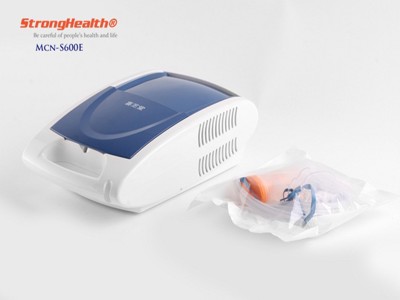
Ингаляторы работают на основе принципа aerosolization, где medication is converted into a fine mist or powder that can be inhaled deep into the lungs. Существует несколько типов ингаляторов, включая meter-dosed inhalers (MDIs), dry powder inhalers (DPIs), и nebulizers. MDIs use a propellant to release a measured dose of medication, often requiring coordination between inhalation and activation. DPIs deliver medication in powder form, activated by the patient's breath, making them easier to use for some. Nebulizers convert liquid medication into a mist using compressed air or ultrasonic vibrations, ideal for children or those with severe conditions. The key mechanism involves the medication particles reaching the alveoli or bronchial walls, where they bind to receptors or exert anti-inflammatory, bronchodilatory, or other therapeutic effects. For example, bronchodilators like albuterol relax the smooth muscles around the airways, widening them and easing breathing. Corticosteroids reduce inflammation and mucus production. The efficiency of delivery depends on particle size: particles between 1-5 micrometers are optimal for deep lung deposition, while larger particles may deposit in the upper airways. This targeted approach ensures that high concentrations of medication reach the affected areas with minimal waste, leading to faster relief and fewer systemic effects. Additionally, modern inhalers often include spacers or holding chambers to improve coordination and deposition, especially in MDIs. Understanding these mechanisms highlights how inhalers are engineered for precision, making them a cornerstone of respiratory therapy.
Типы ингаляторов и их применение
Разнообразие ингаляторов позволяет tailor treatment to individual needs. MDIs are compact and portable, commonly used for quick relief in asthma attacks, containing short-acting beta-agonists (SABAs) like salbutamol. DPIs are breath-activated, suitable for maintenance therapy with long-acting medications such as corticosteroids or long-acting beta-agonists (LABAs). Examples include Advair Diskus or Symbicort. Nebulizers are bulkier but provide continuous aerosol delivery, often used in hospitals or for home care in chronic conditions like COPD or cystic fibrosis. Beyond these, there are soft mist inhalers that produce a slow-moving mist, improving lung deposition. Each type has specific indications: for instance, MDIs are ideal for on-the-go use, while nebulizers benefit those with poor inhalation technique. The choice depends on factors like age, severity of condition, and patient preference. In pediatric care, nebulizers are preferred due to ease of use, whereas adults might opt for DPIs for discretion. Moreover, combination inhalers that deliver multiple drugs (e.g., corticosteroid and LABA) are increasingly popular for managing moderate to severe asthma or COPD, reducing the number of devices needed. This variety ensures that inhalers can address a wide spectrum of respiratory issues, from acute episodes to chronic management, enhancing adherence and outcomes. Clinicians often personalize prescriptions based on spirometry tests and patient history, ensuring the right inhaler for the right person.
Применение ингаляторов при конкретных заболеваниях
Ингаляторы are indispensable in treating various respiratory diseases. For asthma, they are first-line therapy, with SABAs for quick relief and corticosteroids for long-term control. Studies show that regular use of inhaled corticosteroids reduces exacerbations and improves lung function by up to 50% in some cases. In COPD, which includes emphysema and chronic bronchitis, inhalers like tiotropium (a long-acting muscarinic antagonist) help open airways and reduce symptoms. For cystic fibrosis, hypertonic saline or dornase alfa inhalers break down mucus, facilitating clearance. Even in conditions like allergic rhinitis, nasal inhalers (a subtype) deliver steroids to reduce nasal inflammation. The effectiveness is backed by clinical trials; for example, a meta-analysis published in the Journal of Allergy and Clinical Immunology demonstrated that inhaler use in asthma patients leads to a significant reduction in hospitalizations. In infectious diseases like bronchitis, antibiotic inhalers can target infections directly, though this is less common. The key is early and consistent use: inhalers not only manage symptoms but also prevent progression of diseases. For instance, in asthma, proper inhaler use can prevent remodeling of the airways, a irreversible change. Thus, inhalers are not just symptomatic treatment but preventive tools, underscoring their role in comprehensive respiratory care.
Преимущества ингаляторов по сравнению с другими методами лечения
Ингаляторы offer several advantages over alternative treatments like oral medications or injections. Firstly, direct delivery to the lungs means lower doses are needed, reducing systemic side effects such as weight gain or osteoporosis associated with oral steroids. Secondly, they provide rapid onset of action; for example, SABAs can relieve asthma symptoms within minutes, whereas oral drugs may take hours. Thirdly, they are non-invasive and convenient, promoting better adherence—a critical factor in chronic disease management. Studies indicate that patients using inhalers have higher compliance rates compared to those on pills, as inhalers are easy to carry and use discreetly. Economically, while initial costs might be higher, long-term benefits like reduced hospital visits make them cost-effective. Additionally, inhalers allow for personalized dosing; devices like smart inhalers track usage and remind patients, integrating with digital health tools. In contrast, oral medications can interact with food or other drugs, and injections require professional administration. However, challenges exist, such as the need for proper technique, which can be mitigated through education. Overall, the benefits make inhalers a superior choice for many respiratory conditions, enhancing quality of life and reducing healthcare burden.
Практические советы по использованию ингаляторов
To maximize the benefits of inhalers, proper technique is essential. For MDIs, shake the device, exhale fully, place the mouthpiece in mouth, activate while inhaling slowly, and hold breath for 10 seconds. Using a spacer can improve deposition. For DPIs, load the dose, exhale away from the device, inhale deeply and forcefully, and hold breath. Common mistakes include not shaking the inhaler, inhaling too quickly, or failing to hold breath, which reduce efficacy. Patients should rinse their mouth after using corticosteroid inhalers to prevent thrush. Regular cleaning of devices is important to prevent clogging. Healthcare providers play a key role in educating patients; studies show that proper training can improve lung function by up to 30%. Additionally, adherence to prescribed schedules is crucial; for maintenance inhalers, daily use even when asymptomatic prevents flares. Patients should also monitor symptoms and have an action plan for exacerbations. Resources like videos from organizations like the American Lung Association can aid learning. By following these tips, users can ensure they get the full therapeutic effect, turning inhalers into powerful tools for health.
Будущие тенденции и инновации в ингаляционной терапии
The future of inhalers is bright with innovations aimed at improving efficacy and user experience. Smart inhalers equipped with sensors and Bluetooth connectivity are emerging, allowing real-time tracking of usage and sending reminders to patients and doctors. This technology can reduce non-adherence, which is a major issue in chronic diseases. Biologics and nanoparticle-based inhalers are in development for targeted drug delivery, potentially treating conditions like lung cancer or pulmonary fibrosis more effectively. Environmental concerns are driving the shift to propellant-free devices, such as breath-activated DPIs, reducing carbon footprint. Personalized medicine is another trend, with inhalers tailored to genetic profiles for optimized treatment. Research is also focusing on combination therapies that address multiple pathways simultaneously. For example, new inhalers for COVID-19 are being explored for antiviral delivery. These advancements promise to make inhalers even more precise, accessible, and integrated into digital health ecosystems, ultimately enhancing respiratory health outcomes globally.
Заключение: Ингаляторы как ключ к здоровью дыхательных путей
В заключение, ингаляторы являются мощным инструментом для улучшения здоровья дыхательных путей благодаря targeted delivery, rapid action, and minimal side effects. Они эффективны при широком спектре заболеваний, от астмы до ХОБЛ, и предлагают преимущества over other treatments. Proper use and education are vital for success. As innovations continue, inhalers will become even more integral to respiratory care, empowering individuals to breathe easier and live healthier lives. Embracing this technology can lead to significant improvements in public health, reducing the burden of respiratory diseases worldwide.
