

Медицинский небулайзер для эффективного лечения дыхательных путей в больнице
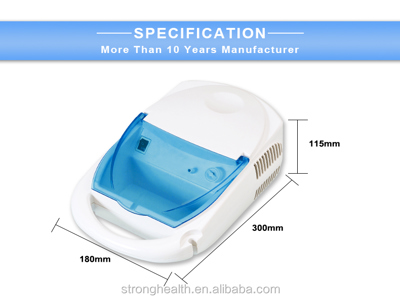
В современной медицине лечение заболеваний дыхательных путей является одной из ключевых задач, особенно в условиях больничных учреждений. Небулайзеры, или ингаляционные устройства, играют решающую роль в обеспечении эффективной и безопасной терапии. Эти аппараты преобразуют жидкие лекарственные средства в аэрозоль, который легко вдыхается пациентом, обеспечивая прямое воздействие на пораженные участки дыхательной системы. В данной статье мы подробно рассмотрим, как медицинские небулайзеры способствуют лечению дыхательных путей в больницах, их преимущества, типы, применение и будущие тенденции.
Что такое небулайзер и как он работает?
Небулайзер – это медицинское устройство, предназначенное для проведения ингаляционной терапии. Он работает по принципу распыления лекарственного раствора в мелкодисперсный аэрозоль, который затем вдыхается пациентом через маску или мундштук. Это позволяет лекарству достигать глубоких отделов дыхательных путей, таких как бронхи и легкие, что особенно важно при лечении таких заболеваний, как астма, хроническая обструктивная болезнь легких (ХОБЛ), бронхит и пневмония.
Процесс работы небулайзера начинается с заливки лекарственного раствора в резервуар устройства. Затем, в зависимости от типа небулайзера, используется компрессор, ультразвук или mesh-технология для создания аэрозоля. Компрессорные небулайзеры используют сжатый воздух для распыления, ультразвуковые – высокочастотные звуковые волны, а mesh-небулайзеры – вибрирующую мембрану с микроотверстиями. Каждый тип имеет свои преимущества: компрессорные надежны и подходят для широкого спектра лекарств, ультразвуковые быстры и тихи, а mesh-небулайзеры портативны и эффективны для густых растворов.
В больничных условиях небулайзеры часто интегрируются в системы мониторинга и управления пациентами, что позволяет медицинскому персоналу точно дозировать лекарства и отслеживать эффективность лечения. Это не только улучшает outcomes пациентов, но и снижает риск побочных эффектов, связанных с системным введением препаратов.
Преимущества использования небулайзеров в больнице
Использование небулайзеров в больничных учреждениях предлагает множество преимуществ по сравнению с другими методами лечения дыхательных путей. Во-первых, ингаляционная терапия обеспечивает локальное воздействие, что минимизирует системные побочные эффекты. Например, при лечении астмы кортикостероидами, введенными через небулайзер, лекарство действует непосредственно на воспаленные бронхи, снижая риск таких осложнений, как остеопороз или увеличение веса, которые могут возникать при пероральном приеме.
Во-вторых, небулайзеры позволяют достичь высокой биодоступности лекарств. Поскольку аэрозоль попадает прямо в легкие, абсорбция происходит быстро и эффективно, что особенно важно в экстренных ситуациях, таких как приступы астмы или обострения ХОБЛ. Исследования показывают, что ингаляционная терапия через небулайзер может снизить время госпитализации и улучшить качество жизни пациентов.
Кроме того, небулайзеры удобны для пациентов всех возрастов, включая детей и пожилых людей, которые могут испытывать трудности с использованием традиционных ингаляторов. В больницах это устройство часто используется в палатах интенсивной терапии, где критически важна точная доставка лекарств. Медицинские работники ценят небулайзеры за простоту использования и возможность адаптации к индивидуальным needs пациентов, например, регулируя размер частиц аэрозоля для оптимального проникновения в дыхательные пути.
Еще одно ключевое преимущество – снижение риска инфекций. Поскольку небулайзеры используются для индивидуального лечения, они помогают предотвратить перекрестное загрязнение между пациентами, особенно в условиях больничных отделений, где инфекционный контроль является приоритетом. Современные небулайзеры оснащены одноразовыми компонентами, такими как маски и резервуары, что further enhances hygiene.
Типы небулайзеров и их применение в медицинской практике
В медицинской практике используются различные типы небулайзеров, каждый из которых подходит для specific clinical scenarios. Компрессорные небулайзеры, также известные как струйные, являются наиболее распространенными в больницах due to their reliability and ability to handle a wide range of medications, including antibiotics, bronchodilators, and corticosteroids. Они идеальны для стационарного использования, где доступ к электричеству и compressed air sources is readily available.
Ультразвуковые небулайзеры используют high-frequency sound waves to create aerosol, making them quieter and faster than compressor models. Однако они могут быть менее эффективны с certain medications that are sensitive to heat generated by ultrasound, such as some protein-based drugs. Поэтому их применение в больницах often limited to specific cases, like pediatric care where noise reduction is important.
Mesh-небулайзеры represent the latest innovation in nebulizer technology. Они используют a vibrating mesh with micron-sized holes to produce aerosol, resulting in higher efficiency and portability. These devices are particularly useful in hospital settings for patients who require mobility, such as those in rehabilitation or home care programs integrated with hospital services. Mesh-nebulizers are also valued for their ability to deliver medications with minimal waste, which is cost-effective for healthcare facilities.
В дополнение к этим основным типам, существуют специализированные небулайзеры, например, для доставки ингаляционных антибиотиков при cystic fibrosis или для неотложной помощи при respiratory distress. В больницах выбор небулайзера зависит от пациента's condition, medication type, and clinical environment. Например, в отделениях интенсивной терапии often prefer compressor nebulizers for their robustness, while in general wards, mesh-nebulizers might be used for their ease of use and cleanliness.
Применение небулайзеров в медицинской практике extends beyond treatment of chronic conditions. Они также используются для профилактики, such as in preoperative preparation to reduce risk of postoperative pulmonary complications, and in palliative care to alleviate symptoms like dyspnea. This versatility makes nebulizers an indispensable tool in modern hospital arsenals.
Как выбрать подходящий небулайзер для больничных нужд
Выбор подходящего небулайзера для больничных нужд требует тщательного рассмотрения нескольких факторов. Во-первых, необходимо оценить types of medications that will be administered. Например, если больница frequently uses antibiotics like tobramycin or colistin, which are viscous and require specific nebulization, mesh-nebulizers might be the best choice due to their ability to handle such solutions efficiently.
Во-вторых, consider the patient population. For pediatric departments, quiet and child-friendly devices like ultrasonic nebulizers are preferable to reduce anxiety and improve compliance. In contrast, for elderly patients or those with severe respiratory conditions, compressor nebulizers might be more suitable due to their reliability and ability to deliver high doses consistently.
Cost is another critical factor. While mesh-nebulizers are more expensive upfront, they can be more cost-effective in the long run due to reduced medication waste and lower maintenance costs. Hospitals should conduct a cost-benefit analysis, taking into account factors such as frequency of use, cleaning requirements, and potential for cross-contamination. For instance, disposable components in some nebulizers can increase operational costs but enhance infection control, which is vital in hospital settings.
Integration with existing hospital systems is also important. Modern nebulizers often come with connectivity features, allowing data on usage and efficacy to be synced with electronic health records (EHRs). This can improve patient monitoring and treatment personalization. Additionally, consider ease of training for medical staff; devices with intuitive interfaces and clear instructions reduce the risk of errors and improve overall efficiency.
Lastly, regulatory compliance and support from manufacturers should be evaluated. Ensure that the nebulizer meets local medical device regulations and that the supplier offers reliable售后服务 and technical support. Reading reviews and consulting with other healthcare facilities can provide valuable insights into the performance and durability of different models.
By carefully weighing these factors, hospitals can select nebulizers that not only meet clinical needs but also optimize resource allocation and patient outcomes. It's often beneficial to pilot test different devices in specific departments before making a widespread adoption.
Будущее небулайзерной терапии: инновации и тенденции
Будущее небулайзерной терапии выглядит extremely promising, with ongoing innovations aimed at enhancing efficacy, convenience, and accessibility. One major trend is the development of smart nebulizers equipped with IoT (Internet of Things) capabilities. These devices can monitor patient adherence, track medication usage, and send real-time data to healthcare providers, enabling remote management of chronic conditions like asthma or COPD. In hospitals, this could lead to more personalized treatment plans and reduced readmission rates.
Another exciting area is the advancement in aerosol technology. Researchers are working on nebulizers that can deliver larger molecules, such as biologics and gene therapies, directly to the lungs. This could revolutionize treatment for diseases like cystic fibrosis or lung cancer, where targeted delivery is crucial. For instance, clinical trials are underway for nebulized vaccines and immunotherapies, which could be administered in hospital settings to improve efficacy and reduce systemic side effects.
Portability and miniaturization are also key focuses. Future nebulizers are likely to become even more compact and battery-operated, making them ideal for use in various hospital environments, including emergency rooms and mobile health units. This aligns with the growing trend towards decentralized healthcare, where treatments are delivered closer to patients' homes or in outpatient settings, reducing the burden on hospital resources.
Additionally, sustainability is becoming increasingly important. Manufacturers are exploring eco-friendly materials and designs that reduce waste and energy consumption. For example, reusable nebulizer components and solar-powered devices could become standard, contributing to greener healthcare practices.
In terms of clinical applications, we can expect to see expanded use of nebulizers beyond respiratory diseases. For example, they might be used for neurological conditions by delivering drugs directly to the brain via the olfactory pathway, or for systemic treatments where pulmonary delivery offers advantages over oral or intravenous routes.
Overall, the future of nebulizer therapy in hospitals will be shaped by technological integration, personalized medicine, and a focus on patient-centered care. As these innovations unfold, nebulizers will continue to be a cornerstone of effective respiratory treatment, improving lives and reducing healthcare costs.
Заключение: важность небулайзеров в современной больничной среде
В заключение, медицинские небулайзеры являются незаменимым инструментом в современной больничной среде для эффективного лечения заболеваний дыхательных путей. Их способность доставлять лекарства непосредственно к месту действия, минимизировать побочные эффекты и адаптироваться к различным clinical needs делает их ценным активом для healthcare providers. От отделений интенсивной терапии до общих палат, небулайзеры способствуют улучшению исходов лечения, повышению комфорта пациентов и оптимизации работы медицинского персонала.
С continuing advancements in technology, such as smart features and improved aerosol delivery, роль небулайзеров в медицине будет only grow. Больницы, инвестирующие в современные небулайзеры, not only enhance patient care but also position themselves at the forefront of medical innovation. Whether for routine management of chronic conditions or emergency interventions, these devices exemplify how targeted therapy can transform healthcare outcomes.
Therefore, it is crucial for healthcare institutions to stay informed about the latest developments in nebulizer technology and to incorporate them into their treatment protocols. By doing so, they can ensure that patients receive the most effective and compassionate care possible, ultimately leading to healthier communities and a more efficient healthcare system.
