


Какие препараты подходят для профилактики через небулайзер
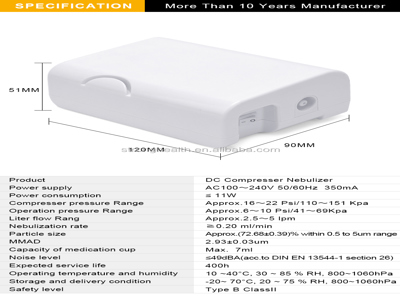
В современном мире, где загрязнение окружающей среды и стрессовые факторы постоянно угрожают нашему здоровью, особенно уязвимой становится дыхательная система. Профилактика респираторных заболеваний играет ключевую роль в поддержании общего благополучия, и одним из эффективных инструментов для этого является небулайзер. Это медицинское устройство, которое преобразует жидкие лекарства в мелкодисперсный аэрозоль, позволяя им достигать глубоких отделов легких. В данной статье мы подробно рассмотрим, какие препараты подходят для профилактики через небулайзер, их классификацию, механизмы действия, показания к применению, а также практические рекомендации по использованию. Мы также затронем вопросы безопасности, противопоказания и будущие тенденции в этой области, чтобы предоставить вам полное и актуальное руководство.
Введение в небулайзерную терапию и её значение для профилактики
Небулайзерная терапия существует уже несколько десятилетий и зарекомендовала себя как надежный метод доставки лекарственных средств непосредственно в дыхательные пути. В отличие от традиционных ингаляторов, небулайзеры подходят для людей всех возрастов, включая детей и пожилых, благодаря простоте использования и возможности применять широкий спектр препаратов. Профилактика с помощью небулайзера направлена на предотвращение обострений хронических заболеваний, таких как астма, хроническая обструктивная болезнь легких (ХОБЛ), или на снижение риска инфекций, например, в сезон простуд. Это особенно актуально для групп риска: людей с ослабленным иммунитетом, курильщиков или тех, кто проживает в регионах с плохой экологией. Преимущества небулайзерной профилактики включают локальное воздействие, что минимизирует системные побочные эффекты, высокую биодоступность препаратов и удобство в домашних условиях. Однако выбор правильного препарата требует понимания их свойств и консультации с врачом, чтобы избежать нежелательных реакций и обеспечить максимальную эффективность.
Типы небулайзеров и их влияние на выбор препаратов
Прежде чем перейти к обсуждению препаратов, важно разобраться в типах небулайзеров, так как это напрямую влияет на совместимость с лекарствами. Существуют три основных типа: компрессорные, ультразвуковые и меш-небулайзеры. Компрессорные небулайзеры используют сжатый воздух для создания аэрозоля и подходят для большинства препаратов, включая кортикостероиды и антибиотики, но они могут быть шумными и менее портативными. Ультразвуковые небулайзеры генерируют аэрозоль с помощью высокочастотных звуковых волн; они тихие и эффективные, но не рекомендуются для белковых или вязких препаратов, так как ультразвук может денатурировать их структуру. Меш-небулайзеры (мембранные) используют вибрирующую мембрану для создания частиц и являются самыми портативными и универсальными, подходя для широкого диапазона лекарств. При выборе препарата для профилактики необходимо учитывать тип небулайзера: например, солевые растворы и бронходилататоры generally compatible with all types, whereas some antibiotics or corticosteroids may require specific devices to maintain stability. Всегда сверяйтесь с инструкцией к устройству и консультацией специалиста, чтобы избежать повреждения небулайзера или снижения эффективности терапии.
Основные группы препаратов для профилактики через небулайзер
Препараты для небулайзерной профилактики можно разделить на несколько категорий based on their pharmacological action and intended use. К ним относятся увлажнители и изотонические растворы, бронходилататоры, кортикостероиды, муколитики, антибиотики, и противовирусные средства. Каждая группа имеет свои особенности и применяется в specific preventive scenarios. Например, увлажнители, такие как физиологический раствор (0.9% NaCl), используются для поддержания влажности дыхательных путей и предотвращения сухости, что особенно полезно в сухом климате или при длительном использовании ингаляций. Бронходилататоры, like salbutamol or ipratropium, are aimed at preventing bronchospasm in asthma or COPD patients by relaxing the airway muscles. Кортикостероиды, such as budesonide, help reduce inflammation and prevent exacerbations of chronic conditions. Муколитики, like acetylcysteine, assist in thinning mucus to avoid blockages and infections. Антибиотики and противовирусные are reserved for specific preventive cases, such as in immunocompromised individuals to ward off bacterial or viral infections. Выбор препарата зависит от индивидуальных факторов риска, истории болезни и рекомендаций врача. В следующих разделах мы детально разберем каждую группу, их механизмы действия, дозировки, и практические аспекты применения.
Увлажнители и изотонические растворы: основа профилактики
Увлажнители, primarily represented by isotonic saline solution (0.9% sodium chloride), are the most commonly used agents in nebulizer therapy for prevention. Они не содержат активных лекарственных веществ, но играют crucial role in maintaining airway hydration, which is essential for normal mucociliary clearance—the natural defense mechanism of the lungs. By keeping the mucous membranes moist, these solutions help prevent irritation, coughing, and the buildup of thick secretions that can lead to infections. Isotonic saline is safe for all age groups and can be used daily as a preventive measure, especially in dry environments, during winter months, or for people with chronic respiratory issues like bronchitis. Гипертонический солевой раствор (e.g., 3% or 7% NaCl) is sometimes used for its osmotic effects to draw water into the airways and loosen mucus, but it may cause bronchospasm in sensitive individuals and should be used under medical supervision. Для профилактики, isotonic saline is typically administered 2-3 times a day, with sessions lasting 5-15 minutes. It is compatible with all types of nebulizers and often serves as a diluent for other medications. Помимо солевых растворов, существуют специализированные увлажняющие средства с добавками, such as hyaluronic acid or essential oils, but their efficacy for prevention is less evidence-based and should be approached with caution. Always use sterile solutions to avoid contamination and follow hygiene practices, like cleaning the nebulizer after each use, to maximize benefits and minimize risks.
Бронходилататоры: предотвращение бронхоспазма и обострений
Бронходилататоры are a key class of drugs used in nebulizer therapy for preventing acute episodes in conditions like asthma and COPD. Они work by relaxing the smooth muscles of the airways, thereby widening them and improving airflow. This preventive approach is particularly important for individuals with known respiratory diseases to avoid triggers such as allergens, exercise, or pollution. Основные типы бронходилататоров include short-acting beta-agonists (SABAs) like salbutamol and long-acting beta-agonists (LABAs) like formoterol, as well as anticholinergics like ipratropium bromide. SABAs are often used for immediate relief and can be incorporated into preventive regimens for high-risk situations, but LABAs are more suited for long-term prevention due to their prolonged effect. For example, a combination of LABA and corticosteroid (e.g., formoterol/budesonide) is common in maintenance therapy to prevent exacerbations. Дозировки для профилактики typically involve lower frequencies than for acute treatment; for instance, salbutamol might be used 1-2 times daily as needed based on symptom anticipation. Однако, overuse of SABAs can lead to tolerance and increased risk of side effects like tachycardia, so medical guidance is essential. In preventive contexts, these drugs are usually reserved for patients with established diagnoses, and self-medication is not recommended. Регулярный мониторинг функции легких через спирометрию помогает tailoring the regimen to individual needs. Кроме того, education on proper inhalation technique and device maintenance is crucial to ensure optimal drug delivery and effectiveness.
Кортикостероиды: противовоспалительная профилактика хронических заболеваний
Кортикостероиды are potent anti-inflammatory agents that play a vital role in preventing flare-ups of inflammatory respiratory diseases such as asthma, COPD, or allergic rhinitis. При использовании через небулайзер, они deliver the drug directly to the lungs, minimizing systemic side effects compared to oral steroids. Commonly used nebulized corticosteroids include budesonide and fluticasone. Их механизм действия involves suppressing inflammation and immune responses in the airways, which helps reduce swelling, mucus production, and hyperresponsiveness—key factors in preventing exacerbations. Для профилактики, these are often prescribed as maintenance therapy for patients with moderate to severe disease. Например, budesonide nebulizations might be done once or twice daily to keep inflammation under control. Дозировки are individualized based on disease severity and patient response; typical preventive doses range from 0.5 mg to 2 mg per session. Важно отметить, что кортикостероиды не provide immediate relief like bronchodilators and require consistent use to build up protective effects. Побочные эффекты могут включать local issues like oral thrush or hoarseness, which can be mitigated by rinsing the mouth after use. In children, nebulized corticosteroids are used cautiously due to potential effects on growth, but they are generally safe when monitored. Профилактика с кортикостероидами often involves combination with other drugs, such as LABAs, for synergistic effects. Регулярные follow-ups with a healthcare provider are necessary to adjust the regimen and ensure it remains effective and safe over time.
Муколитики и отхаркивающие средства: профилактика застоя слизи
Муколитики and expectorants are used in nebulizer therapy to prevent the accumulation of thick, tenacious mucus that can lead to infections and breathing difficulties. Они work by breaking down mucoproteins or stimulating cough to clear secretions. Acetylcysteine is a common mucolytic that reduces mucus viscosity through its free thiol group, making it easier to expel. Для профилактики, it is particularly useful for patients with chronic bronchitis, cystic fibrosis, or those prone to respiratory infections. Другие agents like ambroxol or hypertonic saline also serve mucolytic purposes. Режим применения typically involves sessions 1-3 times daily, depending on the patient's condition. Например, acetylcysteine might be used at a dose of 3-5 ml of a 10% solution per session for preventive maintenance. Однако, these drugs can cause bronchospasm in some individuals, so a test dose under supervision is advisable. In preventive contexts, mucolytics are often combined with bronchodilators to enhance airway clearance. Важность гигиены при использовании cannot be overstated; since these solutions can be irritating, proper nebulizer cleaning is essential to prevent bacterial growth. Для здоровых людей, профилактика муколитиками is generally not recommended unless there is a specific risk factor, as overuse might disrupt natural mucus balance. Всегда консультируйтесь с врачом для персонализированного подхода, учитывая потенциальные взаимодействия с другими medications.
Антибиотики и противовирусные средства: целевая профилактика инфекций
Антибиотики and antiviral agents are reserved for specific preventive scenarios in nebulizer therapy, typically in immunocompromised patients or those with recurrent infections. Например, tobramycin or colistin are used for prevention in cystic fibrosis patients to ward off Pseudomonas aeruginosa infections. Противовирусные like ribavirin might be considered for high-risk individuals during viral outbreaks. Механизм действия involves directly targeting pathogens in the airways before they cause disease. Однако, использование этих препаратов для профилактики ограничено due to risks of resistance, side effects, and the need for precise indications. Дозировки and frequency are highly individualized; for instance, tobramycin might be administered twice daily in cycles for preventive care. Важно подчеркнуть, что самолечение антибиотиками или противовирусными средствами категорически не рекомендуется, as it can lead to superinfections and reduced efficacy. В профилактических целях, these are usually part of a comprehensive management plan under specialist supervision. Additionally, nebulized antibiotics can cause local irritation or bronchospasm, so monitoring is crucial. Будущие разработки в этой области include inhaled vaccines or novel antimicrobials for broader preventive use, but currently, evidence supports cautious application only in selected cases. Всегда обсуждайте необходимость такой профилактики с врачом, который может оценить соотношение риска и пользы based on your medical history and current health status.
Практические рекомендации по использованию небулайзера для профилактики
Для эффективной профилактики с помощью небулайзера, соблюдение правильных практик необходимо. Начните с выбора подходящего устройства based on your needs: компрессорные небулайзеры универсальны, ультразвуковые тихие, а меш-модели портативны. Подготовка involves assembling the nebulizer, using sterile medications, and ensuring hands and equipment are clean to prevent contamination. Во время сеанса, дышите медленно и глубоко через мундштук или маску, чтобы препарат достиг легких; сеансы обычно длятся 5-20 минут. После использования, тщательно мойте и сушите детали небулайзера согласно инструкции, чтобы избежать bacterial growth. Для профилактики, frequency depends on the drug and condition: например, солевые растворы можно использовать daily, в то время как бронходилататоры или кортикостероиды might be on a scheduled basis. Хранение препаратов должно быть в соответствии с указаниями, обычно в прохладном, сухом месте. Важно вести дневник ингаляций, отмечая время, дозы, и любые симптомы, чтобы分享 с врачом для корректировки терапии. Если возникают побочные эффекты, такие как кашель или одышка, прекратите использование и обратитесь за медицинской помощью. Образование и training from a healthcare provider can enhance adherence and effectiveness, especially for children or elderly users. Помните, что профилактика — это long-term commitment, so integrate it into your daily routine for best results.
Безопасность, противопоказания и возможные побочные эффекты
Безопасность при небулайзерной профилактике paramount to avoid adverse events. Общие противопоказания include hypersensitivity to specific drugs, acute respiratory failure, or certain cardiac conditions. Например, бронходилататоры могут exacerbate tachycardia in heart patients, а кортикостероиды не recommended for active infections. Побочные эффекты vary by drug: местные реакции like throat irritation or cough are common with mucolytics or hypertonic saline, в то время как системные effects like tremors or elevated blood pressure can occur with bronchodilators if overused. Для минимизации рисков, всегда используйте препараты по назначению врача и не превышайте recommended doses. Особую осторожность следует соблюдать у детей, беременных женщин, и пожилых людей, where drug metabolism and sensitivity differ. Регулярные медицинские осмотры help monitor for long-term issues, such as adrenal suppression with corticosteroids. Взаимодействие с другими лекарствами should be considered; for instance, nebulized drugs might interact with oral medications, so full disclosure to your doctor is essential. В случае ошибки, such as using the wrong concentration, seek immediate medical advice. Гигиена устройства critical—improper cleaning can lead to infections, so follow manufacturer guidelines strictly. В целом, при правильном использовании, небулайзерная профилактика безопасна и эффективна, но requires vigilance and professional oversight to ensure optimal outcomes.
Заключение и будущие перспективы небулайзерной профилактики
В заключение, небулайзерная терапия offers a powerful means for preventing respiratory issues through targeted drug delivery. Подходящие препараты include увлажнители, бронходилататоры, кортикостероиды, муколитики, и в отдельных cases антибиотики или противовирусные средства. Выбор depends on individual risk factors, device compatibility, and medical advice. Ключевые advantages are localized action, reduced systemic effects, and suitability for all ages. Однако, successful prevention hinges on proper technique, adherence to regimens, and regular monitoring. Будущие тенденции в этой области encompass advancements in drug formulations, such as smart nebulizers that adjust dosing based on sensors, or novel preventive agents like inhaled vaccines for respiratory viruses. Additionally, personalized medicine approaches may tailor therapies based on genetic markers or real-time health data. Для потребителей, education and awareness will continue to grow, emphasizing the importance of proactive health management. В конечном счете, небулайзерная профилактика— это ценный инструмент в арсенале современной медицины, способный significantly improve quality of life by keeping respiratory systems healthy and resilient. Всегда консультируйтесь с healthcare professionals to design a preventive plan that suits your unique needs and ensures long-term well-being.
