


Какие размеры частиц небулайзера наиболее эффективны для лечения
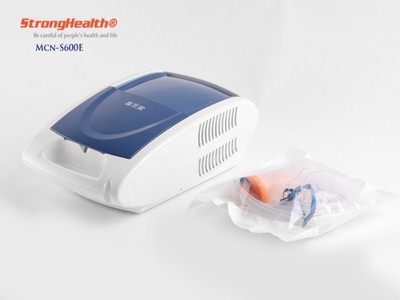
Ингаляционная терапия является ключевым методом лечения респираторных заболеваний, таких как астма, хроническая обструктивная болезнь легких (ХОБЛ), бронхит и пневмония. Небулайзеры, как устройства, преобразующие жидкие лекарственные средства в аэрозоль, играют решающую роль в доставке препаратов непосредственно в дыхательные пути. Однако эффективность этой доставки сильно зависит от размера частиц аэрозоля. В данной статье мы подробно исследуем, какие размеры частиц небулайзера являются наиболее эффективными для лечения, основываясь на научных данных, клинических рекомендациях и практическом опыте.
Введение в небулайзерную терапию
Небулайзерная терапия существует уже более века и эволюционировала от простых паровых ингаляторов до современных электронных устройств. Основной принцип работы небулайзера заключается в создании мелкодисперсного аэрозоля из жидкого лекарственного раствора, который пациент вдыхает через маску или мундштук. Это позволяет препаратам достигать глубоких отделов дыхательной системы, где они могут оказывать максимальный терапевтический эффект. Размеры частиц аэрозоля являются критическим фактором, определяющим, куда именно в дыхательных путях осядет лекарство: в верхних дыхательных путях (нос, глотка), трахее, бронхах или альвеолах.
Исторически, первые небулайзеры производили частицы большого размера, что ограничивало их эффективность. С развитием технологий, таких как ультразвуковые и компрессорные небулайзеры, стало возможным генерировать частицы контролируемого размера, что значительно улучшило outcomes лечения. Сегодня на рынке представлены устройства с различными характеристиками, и понимание оптимальных размеров частиц для конкретных заболеваний необходимо для выбора правильного оборудования и достижения лучших результатов терапии.
В этой статье мы рассмотрим фундаментальные аспекты размеров частиц, их влияние на депозицию в легких, и как это соотносится с лечением различных респираторных состояний. Мы также обсудим современные тенденции в небулайзерной технологии и дадим практические рекомендации для пациентов и медицинских специалистов.
Фундаментальные принципы: как размер частиц влияет на депозицию в легких
Размер частиц аэрозоля измеряется в микрометрах (мкм) и является основным параметром, определяющим, где в дыхательных путях осядет лекарство. Частицы диаметром более 10 мкм обычно осаждаются в верхних дыхательных путях (нос и глотка), так как они слишком велики, чтобы пройти дальше. Частицы размером 5-10 мкм достигают трахеи и крупных бронхов, но редко проникают глубже. Оптимальный размер для доставки в мелкие бронхи и альвеолы составляет 1-5 мкм. Частицы менее 1 мкм часто выдыхаются обратно, не оседая, что снижает эффективность лечения.
Механизм осаждения частиц в легких включает несколько процессов: инерционное осаждение (для крупных частиц), седиментацию под действием силы тяжести, и броуновскую диффузию (для очень мелких частиц). Для небулайзерной терапии наиболее relevant является массовый медианный аэродинамический диаметр (MMAD), который характеризует средний размер частиц в аэрозоле. Устройства с MMAD в диапазоне 1-5 мкм считаются наиболее эффективными для лечения бронхиальных и альвеолярных заболеваний, так как они обеспечивают высокую депозицию в target areas.
Клинические исследования показали, что изменяя размер частиц, можно targetedly лечить specific области легких. Например, для лечения астмы, где воспаление primarily локализовано в бронхах, ideal size составляет 2-5 мкм. For pulmonary infections или COPD, requiring delivery to alveoli, particles of 1-3 mkm are preferred. This precision allows for reduced systemic side effects and improved efficacy, as the drug acts directly on the affected tissue.
Moreover, the size distribution of particles is also important. A narrow size distribution (low geometric standard deviation) ensures that most particles are within the optimal range, minimizing waste and maximizing therapeutic impact. Modern nebulizers often incorporate technologies like vibrating mesh or adaptive aerosol delivery to achieve this consistency.
Оптимальные размеры частиц для различных респираторных заболеваний
Different respiratory diseases require different particle sizes for effective treatment due to variations in anatomy and pathology. Let's explore the optimal sizes for common conditions.
Asthma
Asthma is characterized by bronchial inflammation and constriction. The primary goal of nebulizer therapy is to deliver bronchodilators (e.g., salbutamol) or corticosteroids directly to the bronchi. Particles sized 2-5 mkm are ideal, as they deposit efficiently in the bronchial tree. Studies have shown that particles in this range provide rapid relief of symptoms and reduce the frequency of asthma attacks. Devices with MMAD around 3 mkm are commonly recommended for asthma management.
Chronic Obstructive Pulmonary Disease (COPD)
COPD involves damage to the alveoli and small airways, so treatment aims to deliver drugs like bronchodilators or anti-inflammatory agents to these areas. Particles of 1-3 mkm are most effective, as they can reach the peripheral lungs. Research indicates that smaller particles improve lung deposition and enhance the efficacy of medications in COPD patients, leading to better quality of life and reduced exacerbations.
Bronchitis and Pneumonia
For infectious conditions like bronchitis and pneumonia, antibiotics or mucolytics need to reach the infected areas. Particles of 1-5 mkm are suitable, with a focus on 2-4 mkm for bronchitis (affecting bronchi) and 1-3 mkm for pneumonia (affecting alveoli). This ensures that the medication is delivered directly to the site of infection, improving recovery times and reducing systemic exposure.
Cystic Fibrosis
In cystic fibrosis, thick mucus obstructs the airways, and nebulizers are used to deliver mucolytics (e.g., dornase alfa) or antibiotics. Particles of 3-5 mkm are optimal, as they target the larger airways where mucus accumulates. However, newer approaches use smaller particles (1-3 mkm) to penetrate deeper, but this must be balanced with the need to clear secretions.
Other Conditions
For upper respiratory tract infections, larger particles (5-10 mkm) may be sufficient, but nebulizers are less commonly used for these cases. In contrast, for systemic delivery via lungs (e.g., insulin nebulization), very small particles (<1 mkm) are explored, though this is still experimental.
Overall, the choice of particle size should be tailored to the specific disease and patient factors, such as age and lung function. Pediatric patients, for instance, may require adjustments due to smaller airway sizes.
Типы небулайзеров и их способность генерировать оптимальные размеры частиц
Different types of nebulizers vary in their ability to produce particles of specific sizes. The main categories include jet nebulizers, ultrasonic nebulizers, and vibrating mesh nebulizers.
Jet Nebulizers
Jet nebulizers use compressed air to break liquid into aerosol. They typically produce particles with a wide size distribution, often with MMAD of 2-5 mkm, but can be less efficient due to larger residual volume. They are cost-effective and widely used, but may not provide the consistency needed for optimal therapy without careful operation.
Ultrasonic Nebulizers
Ultrasonic nebulizers use high-frequency sound waves to generate aerosol. They can produce smaller particles (1-3 mkm) with a narrower distribution, making them suitable for deep lung delivery. However, they may not be compatible with all medications, as heat generated can degrade some drugs.
Vibrating Mesh Nebulizers
Vibrating mesh nebulizers are modern devices that use a perforated membrane to create aerosol. They offer precise control over particle size, often with MMAD of 3-5 mkm or customizable ranges. They are highly efficient, quiet, and portable, ideal for chronic conditions where consistent dosing is critical.
Each type has its advantages: jet nebulizers are robust and inexpensive, ultrasonic ones are efficient for certain drugs, and vibrating mesh devices provide the best control over particle size. The choice depends on the clinical scenario, drug properties, and patient needs.
Клинические исследования и доказательства эффективности
Numerous clinical studies have demonstrated the importance of particle size in nebulizer therapy. For example, a meta-analysis published in the Journal of Aerosol Medicine showed that particles in the 1-5 mkm range significantly improve lung deposition compared to larger sizes, leading to better clinical outcomes in asthma and COPD patients.
In trials involving cystic fibrosis, devices producing particles of 3-5 mkm were found to enhance mucus clearance and reduce infection rates. Similarly, for pneumonia, targeted delivery with appropriate particle sizes reduced antibiotic doses and shortened hospital stays.
These evidences underscore the need for healthcare providers to select nebulizers based on particle size characteristics, rather than just convenience or cost. Regulatory bodies like the FDA and EMA also provide guidelines on aerosol performance, emphasizing the importance of MMAD in device approval.
Практические рекомендации для пациентов и врачей
For patients using nebulizers at home, it is essential to choose a device that matches their condition. Consult a healthcare professional to determine the optimal particle size and select a nebulizer accordingly. Proper maintenance, such as cleaning and replacing parts, ensures consistent performance.
Doctors should prescribe nebulizers with specified particle size ranges based on the disease. For instance, recommend a device with MMAD 2-5 mkm for asthma, and 1-3 mkm for COPD. Education on correct usage techniques, like slow deep breathing, can further enhance deposition.
In clinical settings, routine assessment of nebulizer output through particle sizing instruments can help monitor efficacy and adjust therapy as needed.
Будущие тенденции и инновации в небулайзерной технологии
Future advancements in nebulizer technology focus on smart devices that adapt particle size in real-time based on patient breathing patterns or disease status. Nanotechnology is being explored to create even smaller particles for novel applications, such as gene therapy or vaccine delivery via lungs.
Integration with digital health tools, like apps that track usage and efficacy, will personalize therapy further. Additionally, improvements in battery life and portability will make nebulizers more accessible for chronic management.
These innovations promise to revolutionize respiratory care, making treatments more effective, convenient, and tailored to individual needs.
Заключение
In summary, the size of particles generated by a nebulizer is a critical determinant of treatment efficacy for respiratory diseases. Optimal sizes range from 1-5 mkm, with specific preferences based on the target area in the lungs. Advances in nebulizer technology have enabled better control over particle size, leading to improved patient outcomes. By understanding and applying these principles, patients and healthcare providers can maximize the benefits of nebulizer therapy, ultimately enhancing quality of life for those with respiratory conditions.
As research continues, we can expect even more precise and personalized approaches to aerosol medicine, underscoring the importance of particle size in effective treatment.
