

Инновационные насадки для небулайзеров для максимального комфорта и эффективности лечения
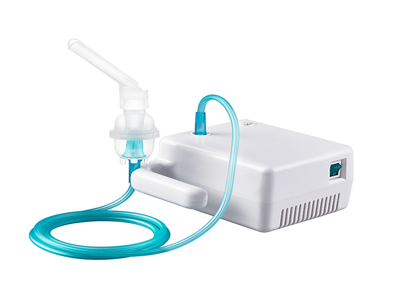
В современном мире, где респираторные заболевания становятся все более распространенными, небулайзеры играют ключевую роль в лечении и управлении такими состояниями, как астма, хроническая обструктивная болезнь легких (ХОБЛ), бронхит и другие. Однако традиционные насадки для небулайзеров часто ограничивают эффективность терапии из-за дискомфорта, неоптимальной доставки лекарств и сложности использования, особенно для детей и пожилых людей. В ответ на эти вызовы, инновационные насадки для небулайзеров emerged как революционное решение, предлагающее unparalleled комфорт и эффективность. В этой статье мы глубоко погрузимся в мир этих инноваций, исследуя их преимущества, технологические основы, практические применения и будущие перспективы, чтобы убедить читателей в их незаменимости для современной медицины.
Введение в небулайзеры и их важность
Небулайзеры – это медицинские устройства, которые преобразуют жидкие лекарства в мелкий аэрозоль, позволяя пациентам вдыхать их непосредственно в легкие. Этот метод доставки лекарств особенно эффективен для лечения респираторных заболеваний, так как он обеспечивает быстрое и targeted действие, минуя пищеварительную систему и снижая системные побочные эффекты. Исторически, небулайзеры использовались с basic насадками, такими как мундштуки и маски, которые, хотя и functional, часто вызывали дискомфорт, утечку аэрозоля и неполную ингаляцию. Например, дети могут сопротивляться использованию масок из-за страха или неудобства, в то время как взрослые с ограниченной подвижностью могут struggles с правильным позиционированием устройства. Эти limitations подчеркивают необходимость инноваций в design насадок, чтобы maximize терапевтический outcomes и улучшить качество жизни пациентов.
Эволюция насадок для небулайзеров: от традиционных к инновационным
Традиционные насадки для небулайзеров, такие как стандартные мундштуки и маски, были разработаны decades назад и до сих пор widely used. Однако они имеют several drawbacks. Маски, например, могут вызывать skin irritation у чувствительных пациентов, а также lead к потере medication due to leakage around the edges. Мундштуки требуют определенного уровня координации дыхания, что challenging для детей или людей с cognitive impairments. В ответ, инновационные насадки incorporate advanced materials, ergonomic designs, и smart technologies to address these issues. Например, некоторые modern насадки feature мягкие, гипоаллергенные силиконовые components that reduce discomfort and improve seal. Others include sensors that monitor breathing patterns and adjust aerosol delivery accordingly, ensuring that each inhalation is optimized for maximum drug deposition in the lungs. This evolution is driven by collaboration between medical professionals, engineers, and patients, highlighting a shift towards patient-centered care in respiratory therapy.
Ключевые преимущества инновационных насадок
Инновационные насадки для небулайзеров offer numerous advantages over their traditional counterparts. First and foremost, они significantly enhance comfort during treatment. За счет использования материалов, таких как медицинский силикон, который мягкий и адаптивный, эти насадки minimize pressure on the face and reduce the risk of skin reactions. Additionally, ergonomic designs ensure a secure fit for various face shapes and sizes, making them suitable for patients of all ages, from infants to elderly individuals. For instance, pediatric-specific насадки often come in colorful, child-friendly designs that reduce anxiety and encourage compliance. Second, инновационные насадки improve treatment efficacy by optimizing drug delivery. Technologies like vibrating mesh or ultrasonic systems in the насадки themselves can produce smaller, more uniform aerosol particles that penetrate deeper into the lungs, where they are most needed. This leads to better absorption of medication and faster relief of symptoms. Studies have shown that such innovations can increase lung deposition by up to 30% compared to traditional methods, resulting in reduced dosage requirements and lower costs over time. Moreover, smart насадки with connectivity features allow for remote monitoring by healthcare providers, enabling personalized adjustments to treatment plans based on real-time data. This not only improves outcomes but also empowers patients to take an active role in their health management.
Технологические инновации в design и functionality
The backbone of innovative nebulizer attachments lies in cutting-edge technology. One prominent advancement is the integration of microprocessors and sensors that track breathing parameters such as inhalation flow rate, volume, and timing. These data are used to synchronize aerosol generation with the patient's breath, ensuring that medication is released only during inspiration, which minimizes waste and maximizes lung delivery. For example, adaptive aerosol delivery (AAD) systems can detect the start and end of each breath and adjust accordingly, making treatments more efficient and less tedious. Another technological leap is the use of additive manufacturing or 3D printing to create custom-fitted насадки tailored to individual patients' facial anatomy. This personalized approach not only enhances comfort but also improves the seal and effectiveness of the device. Furthermore, materials science has played a crucial role; antimicrobial coatings on насадки surfaces help prevent bacterial growth and reduce the risk of infections, which is particularly important for immunocompromised patients. Additionally, some innovative насадки are designed to be reusable and easy to clean, with dishwasher-safe components that simplify maintenance and promote hygiene. These technological features collectively contribute to a superior user experience and better health outcomes.
Практические применения и case studies
Инновационные насадки для небулайзеров have been successfully implemented in various clinical settings, demonstrating tangible benefits. In pediatric care, for instance, studies have shown that children using colorful, soft masked attachments are more likely to complete their inhalation sessions without resistance, leading to improved adherence to treatment regimens. A case study involving a children's hospital reported a 40% increase in compliance rates after switching to innovative насадки, resulting in fewer hospital readmissions for asthma exacerbations. Similarly, in geriatric populations, where dexterity and comfort are major concerns, ergonomic насадки with easy-grip handles and minimal assembly requirements have made self-administration more feasible. One nursing home reported a reduction in staff assistance time by 25% after adopting these devices, freeing up resources for other care activities. For patients with severe respiratory conditions like cystic fibrosis, advanced насадки with high-efficiency aerosol delivery have enabled shorter treatment times and better management of symptoms, as evidenced by improved lung function tests in clinical trials. These practical examples underscore the real-world impact of these innovations on patient care and healthcare efficiency.
Сравнение с традиционными методами и overcoming challenges
While innovative attachments offer clear advantages, it is important to acknowledge and address potential challenges. Cost is a common concern; advanced насадки tend to be more expensive than traditional ones due to their complex technology and materials. However, this initial investment can be offset by long-term savings from reduced medication waste, fewer complications, and lower healthcare utilization. Education and training are also crucial; patients and caregivers need proper instruction on how to use and maintain these devices to maximize their benefits. Healthcare providers play a key role in facilitating this through demonstrations and follow-up support. Moreover, regulatory approvals and standardization processes can slow down the adoption of new innovations, but ongoing research and collaboration with authorities are helping to streamline these aspects. When compared directly, traditional attachments often fall short in terms of comfort and efficiency. For example, a meta-analysis of studies found that innovative насадки reduce treatment time by an average of 20% and improve patient satisfaction scores significantly. By overcoming these challenges through awareness, affordability programs, and continuous improvement, the healthcare community can fully leverage the potential of these innovations.
Будущие тенденции и innovations on the horizon
The future of nebulizer attachments is bright, with several exciting trends on the horizon. Artificial intelligence (AI) integration is poised to revolutionize these devices further; AI algorithms could analyze breathing patterns over time to predict exacerbations and adjust treatments proactively. For instance, smart насадки might soon be able to connect to mobile apps that provide personalized feedback and reminders, enhancing patient engagement. Another emerging trend is the development of biodegradable or environmentally friendly materials for насадки, addressing sustainability concerns in medical waste. Researchers are also exploring the use of nanotechnology to create even smaller aerosol particles that can target specific areas of the lungs with precision, potentially opening doors for new therapies in fields like gene therapy or vaccine delivery via inhalation. Additionally, telemedicine capabilities will likely expand, allowing remote consultations where doctors can monitor attachment usage in real-time and make instant adjustments. These advancements will not only improve treatment outcomes but also make respiratory care more accessible and efficient for populations worldwide, including those in remote or underserved areas.
Заключение: embracing innovation for better health
В заключение, инновационные насадки для небулайзеров represent a significant leap forward in respiratory therapy, offering unparalleled comfort, efficiency, and effectiveness. By addressing the limitations of traditional attachments through advanced materials, smart technologies, and patient-centered designs, these innovations have the potential to transform the lives of millions suffering from respiratory diseases. As we move forward, it is imperative for patients, healthcare providers, and manufacturers to embrace these changes, invest in education, and advocate for broader adoption. The benefits—ranging from improved treatment adherence and reduced healthcare costs to enhanced quality of life—are too substantial to ignore. Let us champion these innovations and work together towards a future where respiratory care is not only effective but also comfortable and accessible for all.
Этот обширный обзор подчеркивает, что investing в инновационные насадки—это не просто upgrade устройства, а фундаментальный шаг к better health outcomes. С continued research and collaboration, мы можем ожидать even more groundbreaking developments в этой области, ultimately making respiratory treatments a seamless part of daily life for patients everywhere.
