


Какие компоненты ингалятора могут вызвать аллергические реакции у детей
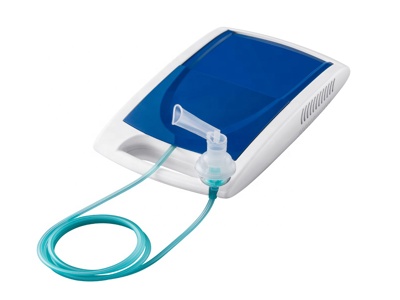
Дорогие родители, опекуны и все, кто заботится о здоровье детей! В современном мире, где аллергии и респираторные заболевания становятся все более распространенными, ингаляторы играют crucialную роль в управлении такими состояниями, как астма. Однако, как и любое медицинское устройство, ингаляторы могут содержать компоненты, способные вызвать нежелательные реакции, включая аллергии. В этой статье мы глубоко погрузимся в вопрос: какие именно компоненты ингаляторов могут спровоцировать аллергические реакции у детей? Мы рассмотрим все аспекты, от активных веществ до добавок, и предоставим практические советы по безопасности.
Введение в тему: Почему это важно?
Ингаляторы – это устройства, доставляющие лекарства непосредственно в дыхательные пути, что делает их эффективными для лечения астмы, хронической обструктивной болезни легких (ХОБЛ) и других респираторных проблем у детей. По данным Всемирной организации здравоохранения, около 235 миллионов человек worldwide страдают от астмы, и многие из них – дети. Использование ингаляторов может значительно улучшить качество жизни, но оно также сопряжено с рисками, особенно для молодых, развивающихся организмов.
Аллергические реакции на компоненты ингаляторов могут варьироваться от mild, таких как кожная сыпь или зуд, до severe, включая анафилаксию, которая угрожает жизни. У детей иммунная система еще не fully developed, что делает их более susceptible к аллергенам. Поэтому понимание потенциальных триггеров необходимо для предотвращения осложнений и обеспечения безопасного лечения.
В этой статье мы not only перечислим компоненты, но и обсудим, как они interact с детским организмом, какие symptoms to watch out for, и как parents and doctors can mitigate risks. Мы также затронем broader context аллергий у детей и важность индивидуального подхода в медицине.
Основные компоненты ингаляторов и их потенциал для аллергий
Ингаляторы typically consist of several key components: active pharmaceutical ingredients (APIs), propellants, excipients, preservatives, and the device materials themselves. Каждый из этих elements can potentially cause allergic reactions in sensitive individuals, especially children.
Активные фармацевтические ингредиенты (APIs)
Active ingredients are the primary medicinal compounds in inhalers, designed to treat respiratory conditions. Common APIs include bronchodilators like salbutamol (альбутерол) and corticosteroids like beclomethasone. While these are generally safe, they can cause allergic reactions in rare cases.
For example, salbutamol, a widely used bronchodilator, is derived from sympathomimetic amines. In some children, it might trigger hypersensitivity reactions, manifesting as skin rashes, urticaria (крапивница), or even bronchospasm (paradoxical reaction where the airways constrict instead of dilate). Studies have shown that less than 1% of users experience such reactions, but in children, the risk might be higher due to immature immune systems.
Corticosteroids, such as fluticasone or budesonide, are anti-inflammatory agents. Allergic reactions to corticosteroids are uncommon but possible. They might include contact dermatitis around the mouth or face, or systemic reactions if absorbed. Children with a history of allergies to other steroids or specific chemical groups should be monitored closely.
Other APIs, like anticholinergics (e.g., ipratropium bromide), can also cause allergies. Ipratropium has been associated with allergic reactions such as angioedema or anaphylaxis in isolated cases. It's crucial to note that the allergy might not be to the drug itself but to its metabolites or impurities in the formulation.
Overall, while APIs are necessary for treatment, their potential for causing allergies underscores the importance of medical supervision and allergy testing before starting inhaler therapy in children.
Пропелленты
Propellants are substances that help deliver the medication as an aerosol. In modern inhalers, hydrofluoroalkanes (HFAs) have largely replaced chlorofluorocarbons (CFCs) due to environmental concerns. Common HFAs include HFA-134a and HFA-227.
These propellants are generally considered inert and safe, but they can cause allergic reactions in susceptible children. Symptoms might include respiratory irritation, coughing, or throat discomfort. In rare instances, propellants can trigger hypersensitivity reactions, such as asthma exacerbations or skin reactions, due to their chemical properties or interactions with other components.
Historical use of CFCs was linked to more side effects, but with HFAs, reports of allergies are minimal. However, children with multiple chemical sensitivities or existing allergies might react to even trace amounts of propellants. It's essential to use inhalers in well-ventilated areas and ensure proper technique to minimize exposure.
Additionally, some propellants might contain impurities from manufacturing that could act as allergens. Regulatory agencies like the FDA and EMA strict monitor these aspects, but variations can occur.
Эксципиенты и добавки
Excipients are inactive ingredients added to stabilize the medication, improve delivery, or enhance shelf-life. Common excipients in inhalers include lactose, ethanol, and oleic acid.
Lactose is often used as a carrier in dry powder inhalers (DPIs). For children with lactose intolerance or milk allergy, this can be problematic. Allergic reactions might include gastrointestinal symptoms, skin rashes, or respiratory issues. It's estimated that up to 2-3% of children have milk allergies, making this a significant concern. Parents should check inhaler labels and consult doctors if their child has known food allergies.
Ethanol is used as a solvent in some metered-dose inhalers (MDIs). While generally safe, it can cause irritation or allergic reactions in sensitive individuals. Symptoms might include burning sensation in the throat or allergic contact dermatitis. Children with alcohol sensitivity or certain metabolic disorders should avoid ethanol-containing inhalers.
Oleic acid is a fatty acid used as a dispersing agent. It can cause allergic reactions, particularly in children with allergies to oils or specific lipids. Reactions might be mild, such as local irritation, but could escalate in severe cases.
Other excipients like surfactants or flavoring agents (e.g., menthol) can also trigger allergies. Flavorings are added to improve taste, but they are common allergens. For instance, menthol can cause allergic reactions in children sensitive to mint family plants.
The diversity of excipients means that parents and healthcare providers must review ingredient lists thoroughly and consider alternative formulations if allergies are suspected.
Консерванты
Preservatives are added to prevent microbial growth in multi-dose inhalers. Common preservatives include benzalkonium chloride (BAC) and ethylenediaminetetraacetic acid (EDTA).
Benzalkonium chloride is a quaternary ammonium compound used in many MDIs. It can cause allergic reactions, such as contact dermatitis, bronchoconstriction, or mucosal irritation. In children, repeated exposure might lead to sensitization, increasing the risk of allergies over time. Studies have shown that BAC can exacerbate asthma symptoms in some patients, making it a double-edged sword.
EDTA is used as a stabilizer and can cause allergic reactions, though it's less common. Symptoms might include skin rashes or respiratory issues. Children with metal allergies or specific sensitivities might be at higher risk.
The presence of preservatives highlights the need for single-dose or preservative-free inhalers for children with known allergies. Healthcare providers can recommend alternatives based on individual needs.
Материалы устройства
The physical components of the inhaler, such as plastics, metals, or rubber parts, can also cause allergic reactions. For example, some inhalers have rubber seals or plastic chambers that might contain latex or other allergens.
Latex allergy is a well-known issue, affecting about 1-2% of the general population, with higher rates in children with repeated medical exposures. Reactions can range from mild skin irritation to anaphylaxis. Many modern inhalers are latex-free, but it's crucial to verify this, especially for children with spina bifida or other conditions requiring frequent medical procedures.
Metals like aluminum used in canisters might cause contact allergies in rare cases, though inhalation typically minimizes skin exposure. Plastic components might leach chemicals that act as allergens, particularly if the device is old or improperly stored.
Ensuring that inhaler materials are hypoallergenic and suitable for children is part of product design and regulatory approval, but vigilance is still necessary.
Факторы, влияющие на аллергические реакции у детей
Several factors increase the likelihood of allergic reactions to inhaler components in children. Understanding these can help in risk assessment and prevention.
Возраст и развитие иммунной системы
Children, especially infants and toddlers, have immature immune systems that are more prone to hypersensitivity. Their bodies might overreact to foreign substances, leading to allergies. As children grow, their immune systems mature, but early exposures can set the stage for lifelong allergies.
For example, a study published in the Journal of Allergy and Clinical Immunology found that children under 5 years old are more likely to develop drug allergies due to increased immune reactivity. This underscores the need for cautious introduction of inhalers in young children.
Генетическая предрасположенность
Family history of allergies, asthma, or atopic diseases (like eczema) significantly increases a child's risk. If parents or siblings have allergies, the child is more likely to develop sensitivities to inhaler components.
Genetic factors influence how the immune system recognizes and responds to allergens. For instance, variations in genes related to histamine release can make some children more susceptible to allergic reactions from even minor triggers.
Предыдущие воздействия и сенсибилизация
Repeated use of inhalers or exposure to similar chemicals can lead to sensitization, where the immune system becomes primed to react aggressively. This is common with preservatives like benzalkonium chloride, where cumulative exposure might trigger allergies over time.
Children who have had allergic reactions to other medications or environmental allergens are at higher risk. Cross-reactivity can occur; for example, a child allergic to milk might react to lactose in an inhaler.
Сопутствующие заболевания
Children with existing respiratory conditions like asthma are more vulnerable to reactions that exacerbate their symptoms. Additionally, conditions like eczema or food allergies can indicate a hyperactive immune system, increasing the risk of inhaler-related allergies.
Comorbidities might also affect how medications are metabolized, potentially leading to higher concentrations of allergens in the body.
Симптомы аллергических реакций на ингаляторы у детей
Recognizing the signs of an allergic reaction is crucial for prompt intervention. Symptoms can be local or systemic and vary in severity.
Легкие симптомы
Mild reactions often include skin manifestations such as redness, itching, or hives around the mouth or face where the inhaler is used. Respiratory symptoms like increased coughing, wheezing, or throat irritation might occur shortly after use.
These symptoms can be mistaken for side effects of the medication itself, so it's important to differentiate. For example, bronchodilators can cause tremors or tachycardia, which are not allergic but pharmacological effects.
Умеренные симптомы
Moderate reactions might involve more widespread skin reactions, angioedema (swelling of the face or lips), or gastrointestinal issues like nausea and vomiting. Respiratory symptoms could include bronchospasm that doesn't respond to the inhaler, indicating a paradoxical reaction.
In such cases, discontinuing the inhaler and seeking medical advice is necessary. Allergy testing might be recommended to identify the culprit component.
Тяжелые симптомы
Severe reactions are medical emergencies. Anaphylaxis can present with difficulty breathing, drop in blood pressure, rapid pulse, and loss of consciousness. This requires immediate epinephrine administration and emergency care.
Although rare, anaphylaxis from inhaler components has been reported, particularly with APIs or excipients in sensitive individuals. Parents should be educated on recognizing these signs and have an action plan in place.
Хронические воздействия
Long-term use of inhalers with allergenic components might lead to chronic issues like persistent cough, hoarseness, or contact dermatitis. These can affect a child's quality of life and adherence to treatment.
Monitoring for such effects is part of routine follow-up with healthcare providers. Alternative therapies or devices might be considered if chronic reactions occur.
Диагностика аллергии на компоненты ингаляторов
If an allergic reaction is suspected, diagnostic steps are essential to confirm and identify the trigger.
Медицинский анамнез и физи examination
The first step is a detailed history, including the timing of symptoms relative to inhaler use, previous allergies, and family history. A physical exam can reveal signs like skin rashes or respiratory distress.
Doctors might ask about the specific inhaler brand and ingredients, as reactions can be formulation-specific.
Кожные тесты и патч-тесты
Skin prick tests or patch tests can be performed using diluted forms of suspected allergens, such as APIs or excipients. These tests help identify immediate or delayed hypersensitivity.
For children, these tests are done cautiously to avoid severe reactions. They are particularly useful for diagnosing allergies to preservatives or materials like latex.
Лабораторные тесты
Blood tests, such as specific IgE assays, can measure immune responses to particular components. For example, testing for IgE antibodies against salbutamol or lactose can confirm allergies.
These tests are less invasive than skin tests and can be helpful in children who might not tolerate procedures well.
Провокационные тесты
In controlled settings, doctors might perform challenge tests, where the child is exposed to small amounts of the suspected allergen under supervision to observe reactions. This is done only when necessary due to the risk involved.
Challenge tests are gold standard for diagnosis but require specialized facilities and expertise.
Дифференциальная диагностика
It's important to rule out other causes, such as infections, environmental allergies, or side effects from other medications. Multidisciplinary approach involving allergists, pulmonologists, and pediatricians is often needed.
Лечение и управление аллергическими реакциями
Once diagnosed, management focuses on avoiding the allergen and treating reactions promptly.
Немедленные меры
For mild reactions, discontinuing the inhaler and using antihistamines or topical corticosteroids might suffice. For moderate to severe reactions, epinephrine auto-injectors should be available, and emergency services contacted.
Parents and caregivers should be trained in using epinephrine and recognizing when to seek help.
Альтернативные therapies
If a child is allergic to a specific component, alternative inhalers with different formulations can be prescribed. For example, switching from a lactose-containing DPI to an HFA-based MDI without preservatives.
In some cases, non-inhaler treatments like oral medications or nebulizers might be options, though they have their own risks and benefits.
Долгосрочное management
Long-term management involves regular monitoring, allergy action plans, and education. Children might need desensitization protocols in rare cases, where controlled exposure helps reduce sensitivity.
Collaboration with healthcare providers ensures that treatment remains effective and safe over time.
Профилактические меры для родителей и опекунов
Prevention is key to avoiding allergic reactions. Here are practical steps for parents and caregivers:
Тщательный подбор ингалятора
Work with doctors to choose inhalers with minimal allergenic potential. Review ingredient lists and opt for hypoallergenic options when available. For children with known allergies, avoid inhalers containing those substances.
For instance, if a child has a milk allergy, select lactose-free inhalers. Many manufacturers provide detailed information online or upon request.
Правильная technique и hygiene
Ensure correct inhaler use to minimize exposure to irritants. Use spacers with MDIs to reduce throat deposition of particles. Clean devices regularly to prevent buildup of allergens or microbes.
Educate children on how to use inhalers properly, as improper use can increase the risk of reactions.
Регулярный мониторинг
Monitor for any new symptoms after starting or changing inhalers. Keep a diary of reactions to help identify patterns. Regular check-ups with healthcare providers allow for adjustments in therapy.
Be vigilant for signs of sensitization, especially in children with multiple allergies.
Образование и awareness
Stay informed about the components of inhalers and potential risks. Resources from organizations like the American Academy of Allergy, Asthma & Immunology can be helpful.
Teach children about their allergies in an age-appropriate manner, so they can advocate for themselves as they grow older.
Заключение: Важность индивидуального подхода
In conclusion, while inhalers are life-saving devices for many children with respiratory conditions, their components can indeed cause allergic reactions. From active ingredients to excipients and materials, various elements pose risks, particularly for children with immature immune systems or genetic predispositions.
By understanding these risks, parents and healthcare providers can take proactive steps to prevent reactions through careful selection, proper use, and vigilant monitoring. Always consult with medical professionals before making any changes to treatment plans.
Remember, every child is unique, and what works for one might not work for another. Personalized medicine is the future, and with ongoing research, safer inhaler options continue to emerge. Stay engaged, ask questions, and prioritize your child's health above all.
If you suspect an allergic reaction, don't hesitate to seek medical advice. Early intervention can prevent complications and ensure that your child benefits fully from their treatment without unnecessary risks.
